The world of regression of the close combat mage pulls readers in from the very first chapter through curiosity tension and the emotional weight of starting life again. The story mixes magic tragedy and second chances in a way that feels meaningful from the beginning.
Every scene carries hints about past mistakes and possibilities for a different future. Readers immediately wonder how a close combat mage survives in a world built for long-range spellcasters.
What looks simple at first becomes deeper as its layers unfold making it appealing even for those who don’t usually read regression manhwa.
The pacing builds emotion steadily keeping the journey engaging without feeling slow or rushed and discussions on forums like REDDIT stay full of theories.
Whether someone finds the story through the Regression of the Close Combat Mage Wiki or platforms like mangapark or bato they usually end up reading more chapters than they expected.
Understanding the Core of Regression of the Close Combat Mage
This section explores the unique foundation of the story and how its themes connect deeply with readers. The concept blends action, magic, and time regression in a way that feels fresh and intense.
A Mage Who Breaks Traditional Limits
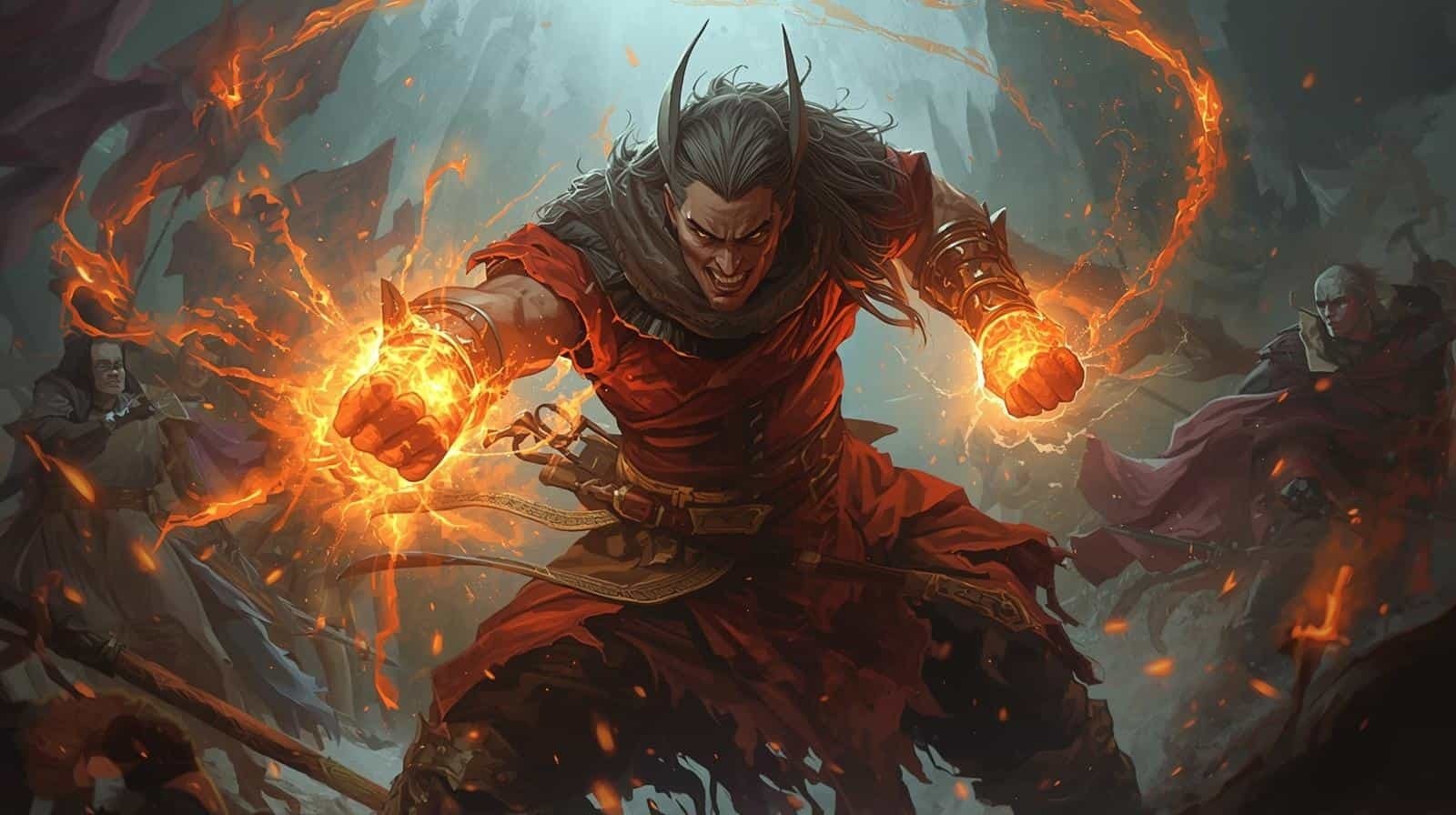
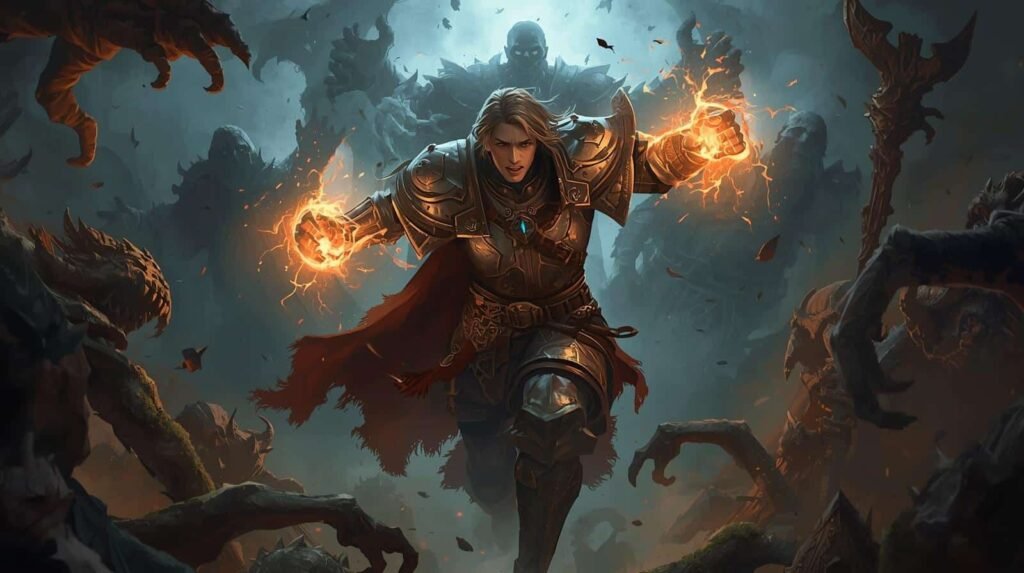
This story revolves around a mage who defies the traditional definition of magic. Instead of standing far away casting long-range spells, he dives straight into the battlefield.
The idea of a close combat mage itself creates tension because it goes against the natural limits of magic users in most fantasy settings. That tension drives the plot forward, especially when mixed with the central twist: time regression.
How Time Regression Shapes the Journey
When the protagonist dies in the original timeline, he’s sent back into his younger self. This gives him a second chance not just at survival but at mastering his magic properly this time.
Regression becomes more than a plot device; it becomes a lens through which the entire world is re-experienced. Every decision becomes heavier, every memory becomes a tool, and every failure becomes a stepping stone.
A World That Evolves With Every Choice
The world expands naturally through encounters with the Mage Academy, monster horde invasions, rare relics like the Amulet of Resurgence, and the looming threat of powerful beings like Death God Vidrak.
Readers get the sense that everything happening now has already happened before but the protagonist is determined not to repeat his previous mistakes.
Why the Regression Element Makes the Story So Addictive
Time regression stories usually depend on two things: regret and hope. But regression of the close combat mage adds a third layer, which is adaptation. Unlike heroes blessed with overwhelming power from the start, the protagonist is someone who failed.
Not because he was weak but because he trusted the wrong people and misunderstood his own potential. With the second chance, each chapter becomes an opportunity to change something sometimes small, sometimes life-altering.
In chapters like 33 43 and 50 the desperation and determination collide in ways that leave readers stunned. Those specific chapters are discussed endlessly on different fan communities because they show the true consequences of altering fate.
This structure gives the story constant momentum. Nothing feels predictable because even though the protagonist knows the future, the future still reacts to new decisions. This is where the writing shines. Regression doesn’t guarantee success; it only guarantees opportunity.
The Appeal of a Close Combat Mage in a Magical World
Usually mages rely on distance. That’s their safety, their advantage, and their identity. But the protagonist of regression of the close combat mage refuses that comfort. He pushes himself into melee magic something considered insane in his world.
That alone makes the storytelling exciting. Whenever he engages monsters at close range, readers feel the stakes rise. The magic becomes physical.
The battles feel chaotic, almost reckless, but perfectly calculated at the same time. His style sets him apart from every other mage in the Mage Academy where most students rely on standard spellcasting.
This unconventional fighting style becomes one of the strongest parts of the narrative because it mirrors the internal struggle of the hero.
Just like he refuses to stand back in battle, he refuses to stand back in life. Regression isn’t just about survival for him; it’s about rewriting what it means to be a mage.
Characters Who Bring the Story to Life
The Regression of the Close Combat Mage characters include allies rivals monsters and beings who shape the protagonist’s journey in unexpected ways.
Setsuna Cromwell often stands out because of the sharp contrast between her cold exterior and her deep involvement in the protagonist’s fate. She represents the cost of mistakes in the original timeline and the delicate hope of doing things differently in the new one.
Death God Vidrak on the other hand is an embodiment of the threat that looms over the world no matter how many times the timeline resets. His presence is a constant reminder of what happens if the protagonist fails again.
What makes the characters memorable isn’t their magical abilities but the emotional imprint they leave. Every character feels like they have a past and a future, something that many fantasy webtoons struggle to do convincingly.
World-Building That Blends Mystery and Action
The universe feels alive because it changes depending on the protagonist’s choices. Monster hordes appear earlier or later than before. Relationships shift. Villains notice different patterns.
Even places like the Mage Academy feel new because the protagonist now sees them through the lens of regret and second chances.
Artifacts like the Amulet of Resurgence carry meaning beyond their magical power. They represent the timeline itself the idea that something broken might still be repaired.
This dynamic world-building is a key reason why readers binge chapters. Platforms like bato or mangapark show how many returning readers the series attracts each week. That kind of engagement doesn’t happen unless the world feels convincing.
Themes That Resonate With Readers
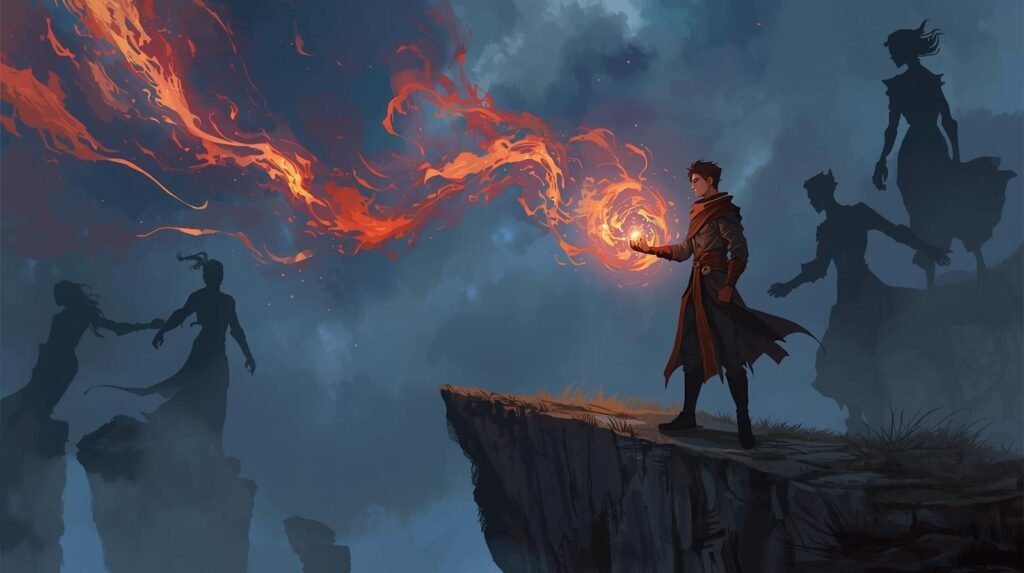
The story explores themes like redemption resilience betrayal growth and the cost of knowledge. Regression isn’t portrayed as a gift but a burden. Having memories of the future means carrying the weight of mistakes that others don’t remember.
It means being emotionally older than the people around you. That disconnect becomes a subtle but powerful part of the narrative.
The protagonist’s growth isn’t about becoming the strongest mage. It’s about becoming someone who understands what strength truly is: choosing differently even when the past is screaming for repetition.
Conclusion
In the end regression of the close combat mage stands out because it mixes action emotion and world-building in a way that feels natural. The regression element adds tension but it’s the close combat magic style that gives the story its identity.
Every chapter feels like a mix of destiny and choice reminding readers that even when life resets the path forward still depends on courage.
This is why the story continues to grow across platforms communities and discussions. It offers not just fantasy but a journey that feels personal to anyone who believes in second chances.
FAQs
Is Regression of the Close Combat Mage a novel or a manhwa?
It exists as both. Many people first discover it as a manhwa while others prefer reading the Regression of the Close Combat Mage novel for deeper world-building.
Where can I read Regression of the Close Combat Mage?
Readers often find it on platforms like bato mangapark and other digital reading sites though availability varies by region.
Which chapters are the most discussed?
Chapters 33 43 and 50 are widely talked about because they include major turning points in the protagonist’s development and the new timeline.
Does the story use heavy magic systems?
Yes, but the focus is on melee magic and the unique challenges of being a close combat mage in a world built for long-range spellcasters.
Who is Setsuna Cromwell in the story?
She is one of the most emotionally layered characters whose connection to the protagonist carries impact from both the original and regressed timelines.
What role does Death God Vidrak play?
He is a central antagonist whose existence threatens the world across timelines making him an unavoidable part of the protagonist’s fate.
Does the Mage Academy matter in the plot?
Very much, it becomes a symbolic place where the protagonist confronts his past mistakes while building new strategies for survival.
Is time regression portrayed in a realistic way?
The story handles it carefully showing both the advantages and the psychological consequences of carrying memories from a failed timeline.