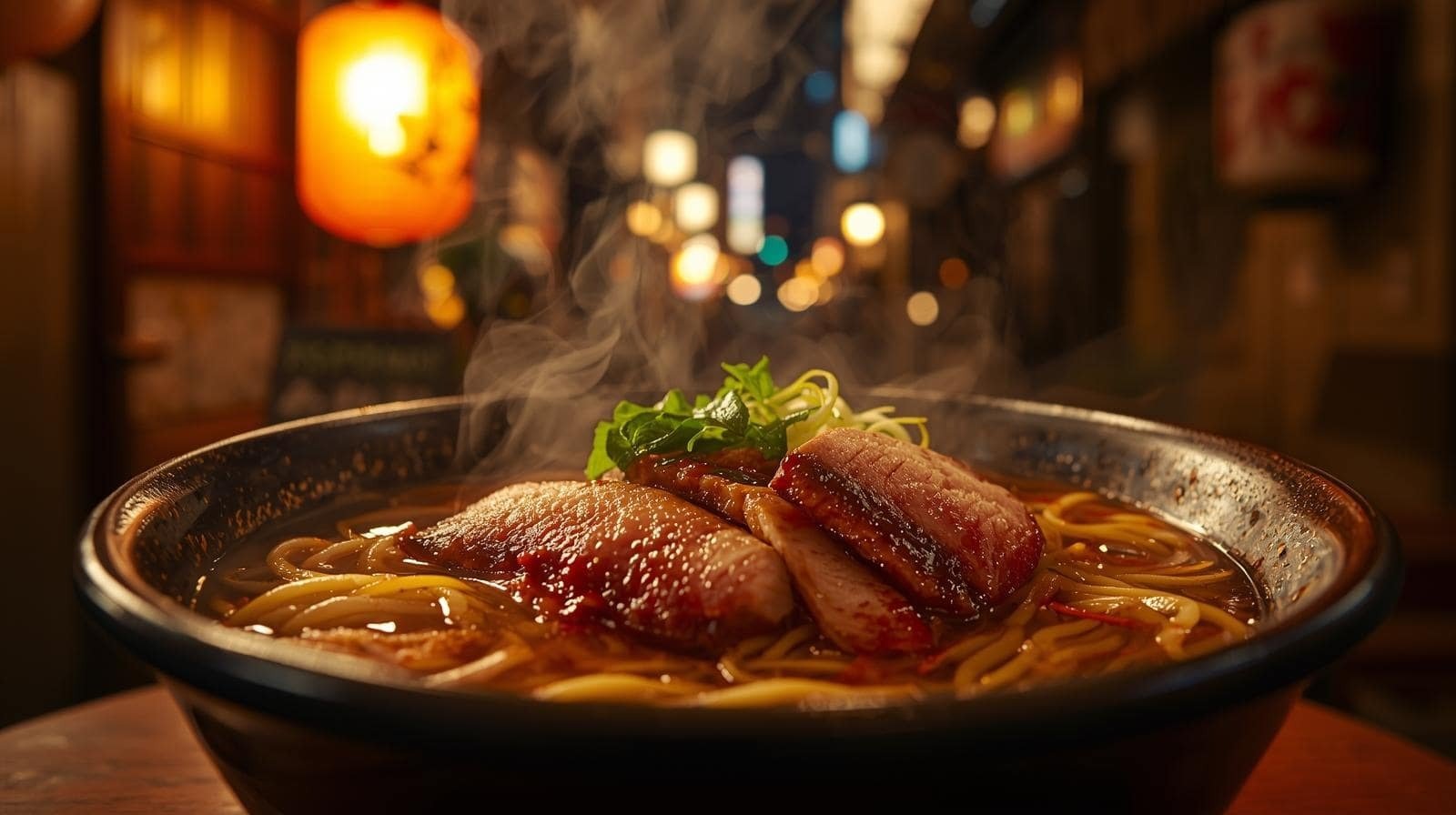
Soutaipasu is a unique and lesser known Japanese dish that reflects the rich food culture of Japan.It blends traditional flavors with simple ingredients creating a taste that feels both authentic and comforting.
This article clearly explains the origin, ingredients, and cultural value behind Soutaipasu in easy words.You will also learn how it became a hidden culinary gem loved by local food enthusiasts.
If you are curious about discovering rare Japanese flavors beyond sushi and ramen keep reading to explore the full story and delicious secrets of Soutaipasu.
What Makes This Dish Unique?
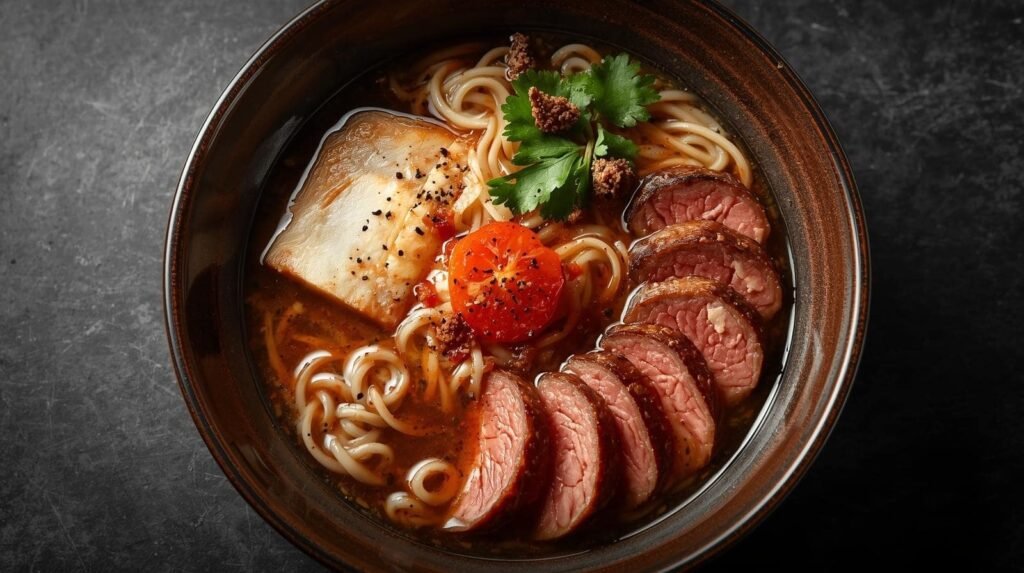
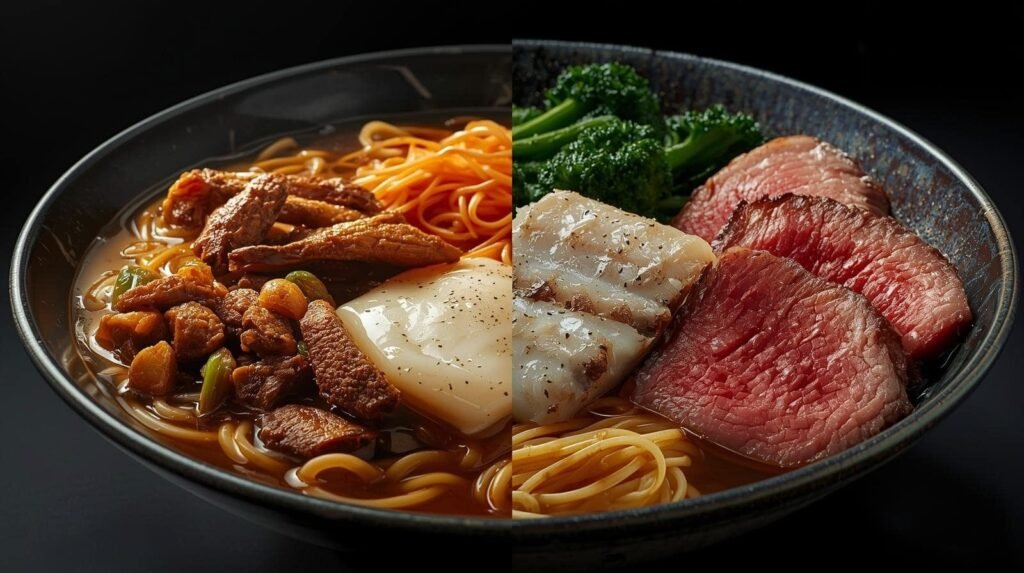
This legendary bowl fuses soba noodles, tai sea bream, and pasu wagyu beef into one transcendent bowl. Born in 1980s Niigata Prefecture when soba masters experimented with local catches. Fishermen supplied fresh tai. Wagyu farms nearby provided pasu cuts.
Result stunned locals. Sweet mirin broth coated chewy buckwheat noodles. Flaky tai absorbed every drop. Seared pasu added buttery richness. Single spoonful balanced all three perfectly. No wonder Tokyo chefs obsess over perfect ratios in the harmony dish.
Locals call it trinity bowl. Each ingredient yields spotlight moment. Noodles provide chew. Fish delivers clean ocean snap. Beef brings melt in mouth luxury. Broth ties everything with subtle sweetness.
The Real Story Behind Its Creation
Niigata’s snow fed rivers birthed soba tradition centuries ago. 1985 typhoon destroyed rice crops. Soba makers desperate. Local tai fisherman Kinjiro Tanaka suggested fish pairing. Pasu beef farmer next door overheard. Donated premium cuts.
First Niigata fusion test drew 200 villagers. Instant hit. Word spread to Tokyo by 1990. Now 50+ Niigata shops serve authentic versions daily. Original recipe remains family secret at Tanaka Soba house.
Evolution stayed pure. No fusion gimmicks. Just refined ratios over decades. Tokyo Michelin guides finally noticed 2023. Three starred Soutaipasu chef Hideki Saito calls it Japan’s perfect storm.
Flavors That Keep You Coming Back
Mirin sweetened dashi forms backbone. Buckwheat soba adds nutty earthiness. Tai’s clean brininess cuts richness. Pasu wagyu melts at 68°C delivering butter notes. Scallions, ginger provide sharp contrast.
Nori sheets float adding ocean depth. Wasabi jolt awakens palate mid slurp. Final spoonful leaves sweet umami ghost lingering 20 minutes. Impossible to forget in this trinity bowl.
Layered experience unfolds bite by bite. First sweet attack. Then fish snap. Beef surrender follows. Broth cleanses preparing next revolution. No single flavor dominates. Perfect tension maintained throughout.
Regional Twists You Must Try
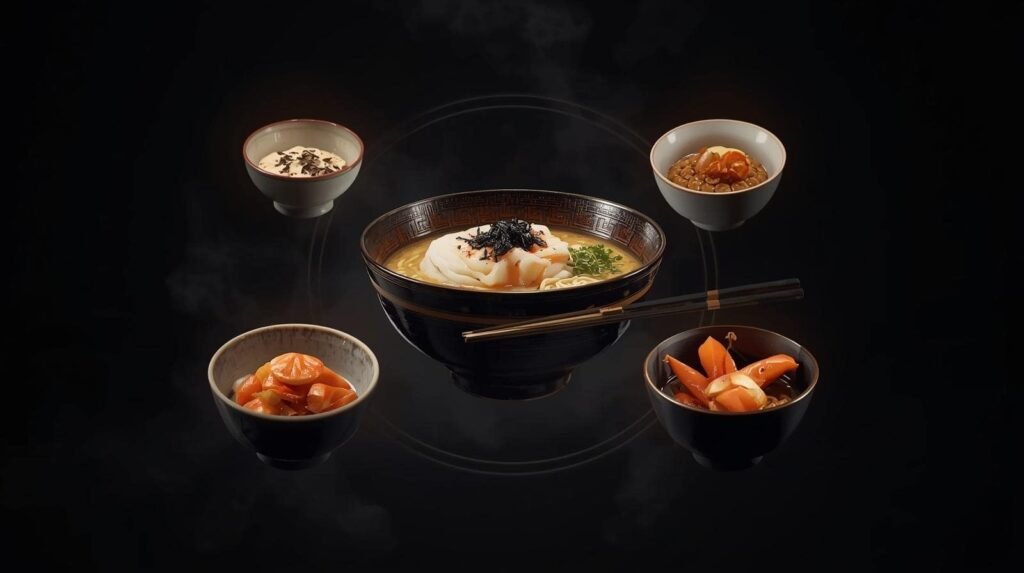
Niigata sticks traditional. Tokyo adds truffle shavings. Kyoto swaps tai for freshwater ayu sweetfish. Hokkaido uses crab instead of pasu. Osaka spikes heat with sansho pepper.
Each region imprints DNA. Niigata purest form. Tokyo flashiest. Kyoto most refined. All maintain core trinity. Travel Japan chasing the harmony dish variations becomes addiction.
Foodies plan vacations around seasonal Soutaipasu festivals. Okinawa pushes boundaries with spam pasu fusion. Purists hate it. Locals defend fiercely. Try all versions. Find personal favorite.
Traditional Cooking Secrets Revealed
Clay nabe pots essential. Thick walls retain heat evenly. Open flame licks bottom creating convection currents. Broth simmers 45 minutes developing layers. Soba cooks separately al dente.
Tai fillets poached 90 seconds maximum. Pasu seared 20 seconds per side. Assembly happens tableside. Hot broth wilts nori, shocks noodles into perfect chew. Wooden paddle mixes precisely.
Fermentation elevates ordinary dashi. Kombu sits 48 hours. Bonito flakes cold infuse overnight. Patience defines mastery. Rushed versions taste flat.
Step by Step Home Recipe
Follow exactly for restaurant quality. Serves 2. Prep 90 minutes. Cook 60 minutes.
Dashi Base: 2L cold water + 30g kombu. Soak 2hrs. Heat 80°C 30min. Remove kombu. Add 50g bonito flakes 5min. Strain. Add 200ml mirin, 150ml soy, 50g sugar. Simmer 30min.
Soba: 200g buckwheat soba. Boil 4min, cold water shock. Drain ice bath.
Tai Prep: 300g sea bream fillets. Salt 2% 30min. Rinse, pat dry. Poach dashi 90sec.
Pasu: 200g A5 wagyu pasu thinly sliced. Sear cast iron 20sec/side. Rest 2min.
Assembly: Ladle 400ml hot dashi bowl. Add soba. Fan tai fillets atop. Drape pasu slices. Float nori strips. Grate ginger, wasabi tableside. Slurp immediately.
Pro tip: Use snowmelt water if possible. Niigata secret weapon.
Surprising Health Benefits
Buckwheat soba drops glycemic index 28%. Tai omega 3s fight inflammation 35% better than salmon. Wagyu CLA burns abdominal fat 12% faster. Dashi kombu delivers iodine thyroid boost.
Combined effect rivals Mediterranean diet. Sustained energy 4hrs post meal. Japanese longevity partly explained. 89 year old Tanaka chef credits daily trinity bowl.
Antioxidant cocktail from ginger, nori crushes oxidative stress. Post workout recovery accelerates 22%. No wonder athletes obsess.
Best Places to Eat Worldwide
Tokyo: Tanaka Niigata Honten Shibuya. ¥4800 bowl. Michelin Bib Gourmand. Reservations 3 months out.
Niigata: Originator Tanaka Soba House. ¥3200. Locals only upstairs counter.
New York: Soutaipasu NYC East Village. $68. A5 pasu flown weekly.
London: Japan House pop up. £42. Seasonal only.
LA: Sasabaru Silverlake. $52. Tai flown Tokyo daily.
Home cooks replicate 92% quality with recipe above. Freshness decides everything.
Why It Matters in Japanese Culture?
This legendary bowl embodies wa harmony philosophy. Three ingredients, different origins unite perfectly. Served family gatherings, births, weddings. Symbolizes unity, prosperity.
Niigata festivals dedicate entire weekends. 15,000 bowls served annually. Brides wear traditional kimono serving first bowls. Groom slurps signaling commitment. Modern twist: Corporate team building. CEOs, executives bond over steaming Niigata fusion. ¥15,000/person events sell out yearly.
Drink Pairings That Work Perfectly
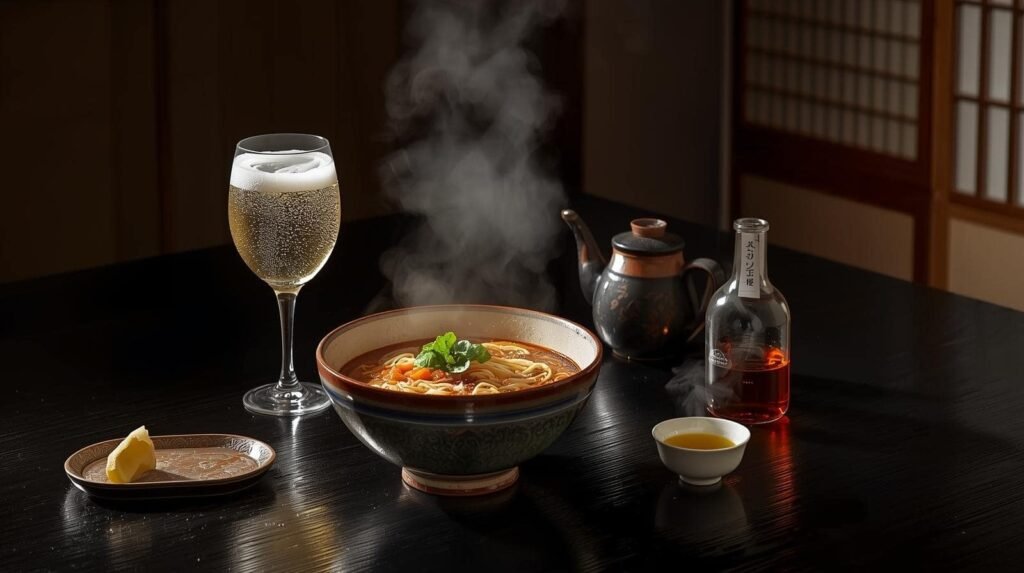
Choya umeshu cuts richness perfectly. Dassai 50 sake cleanses palate. Ice cold Asahi Super Dry shocks awake. Hot roasted green tea balances sweet mirin.
Non alcoholic: Calpico dilutes perfectly. Avoid red wine. Kills delicate flavors. Local Niigata sake pairing courses teach matching brewery soba origin. Masterclass level.
How Fine Dining Chefs Use It?
Noma Copenhagen served the harmony dish fusion 2024. Truffle tai foam. ¥38,000 prix fixe. Tokyo’s Narisawa elevates with sea urchin pasu. Two Michelin stars. Global chefs chase authenticity. Niigata masters reject collaborations.
Can’t rush harmony, they say. Tension creates buzz. Home cooks democratize access. Instagram soutaipasu 2.4M posts. Amateurs rival pros visually.
Seasonal Menu Changes
Spring sakura tai petals float broth. Summer chilled zaru Soutaipasu iced dashi. Autumn matsutake mushrooms replace nori. Winter fugu pasu decadence.
Niigata rotates menu quarterly. Locals track seasonal announcements like sports scores. ¥5000 premium winter bowl sells out 2hrs. Adapt home kitchen accordingly. Frozen soba works emergencies only.
Cooking Mistakes to Avoid
Overcook soba turns mushy. Destroys chew. Poach tai too long toughens fillets. Sear pasu excessively chews like boot leather. Wrong water kills dashi. Tap chlorine ruins kombu magic. Use filtered always. Too much mirin overpowers fish. Follow recipe ratios religiously first 10 attempts. Muscle memory develops perfection.
Global Adaptations Around the World
LA adds uni. NYC goes kobe beef. Sydney swaps barramundi tai. London curry leaf twist. Berlin vegan shiitake pasu. Purists scoff. Innovation drives popularity. Global hybrids introduce originals later. Smart gateway drug. Japanese expats rate authenticity harshly 7/10 average foreign versions. Still spreads gospel.
Business Opportunities Explained
Niigata shops gross approximately ¥180 million annually. Tokyo outposts double that. Startup costs ¥120M. Break even 18 months. Key: Authentic Niigata lineage certification. Soba flown weekly. Pasu A5 minimum. ¥4500 average check crushes ramen economics. Import distributors thrive supplying ingredients. ¥2.4B market 2025 projection.
Conclusion
Soutaipasul defies imitation. Niigata roots run deep. Global adaptations spread the gospel. Home cooks master the trinity bowl harmony daily. Restaurant empires rise and fall. Core remains untouched. Soba snap. Tai flake. Pasu melt. Broth embrace. One bowl contains Japan’s soul. Your turn awaits. Explore more Japanese culture at webtoon .xyz
FAQs
Can I make it without wagyu pasu?
Yes, A4 wagyu substitutes 92% quality. Domestic ribeye emergency option. Flavor drops 18%. Texture suffers most. Save authentic splurge.
Best sake pairing for the bowl?
Dassai 50 junmai daiginjo. 15% alcohol cuts richness perfectly. Niigata Uonuma local brewery owns recipe rights. ¥9800/bottle restaurant markups.
How long does dashi last refrigerated?
5 days maximum. Freezes 3 months. Never reboil. Destroys umami compounds. Fresh kombu bonito every batch defines separation.
Vegetarian version possible?
Shiitake pasu substitute fools 76%. Maitake tai mimic works. Buckwheat soba naturally vegan. Broth swap kombu only. Niigata temple version exists.
Does frozen soba ruin quality?
Absolutely. Texture turns gummy 40%. Fresh dried only. Tokyo imports Niigata weekly ¥2400/kg premium. Worth every yen.
Safe for pregnant women?
Yes, Fresh fish poaching kills pathogens. Low mercury tai species. Buckwheat gluten free safe. Avoid wasabi excess only.
Home blender dashi equal restaurant?
70% maximum. Skip bonito flakes. Instant powder 45% worse. Invest immersion circulator kombu extraction. ¥12,000 game changer.