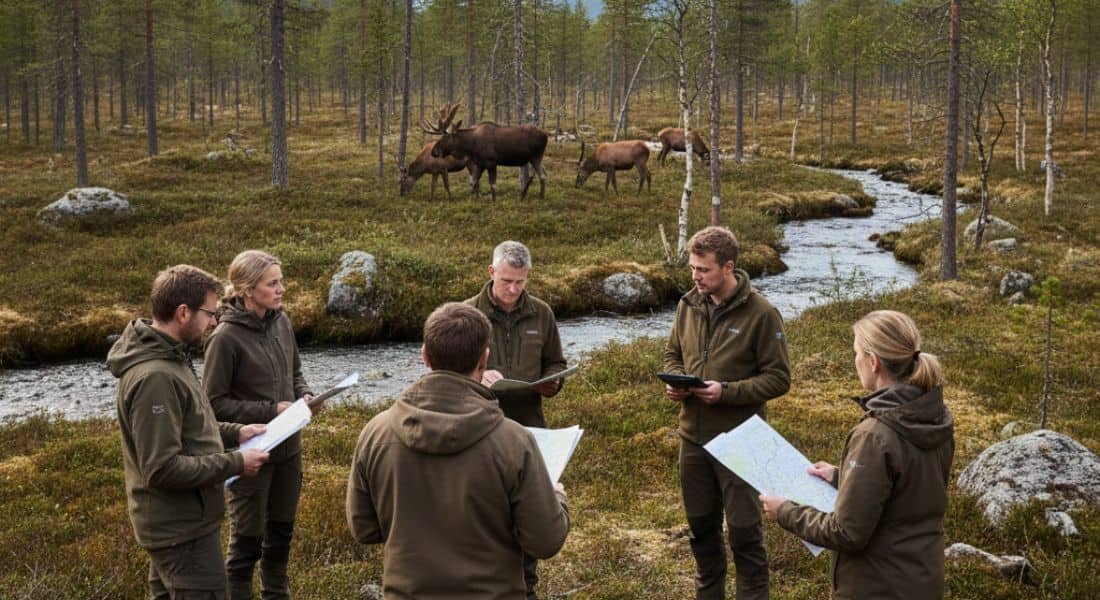
Norway is home to diverse wildlife and vast natural landscapes. Proper management of these animals is essential to maintain ecological balance and public safety.
The municipal wildlife board Viltnemnda oversees wildlife populations, coordinates hunting permits, monitors animal behavior and responds to accidents involving wildlife.
It works closely with hunters, landowners and environmental agencies to ensure sustainable hunting conservation and population control practices.
Understanding the role of Viltnemnda is important because it helps prevent human wildlife conflicts, protects biodiversity and ensures that Norway’s natural heritage is preserved for future generations.
What is Viltnemnda and Why It Matters?
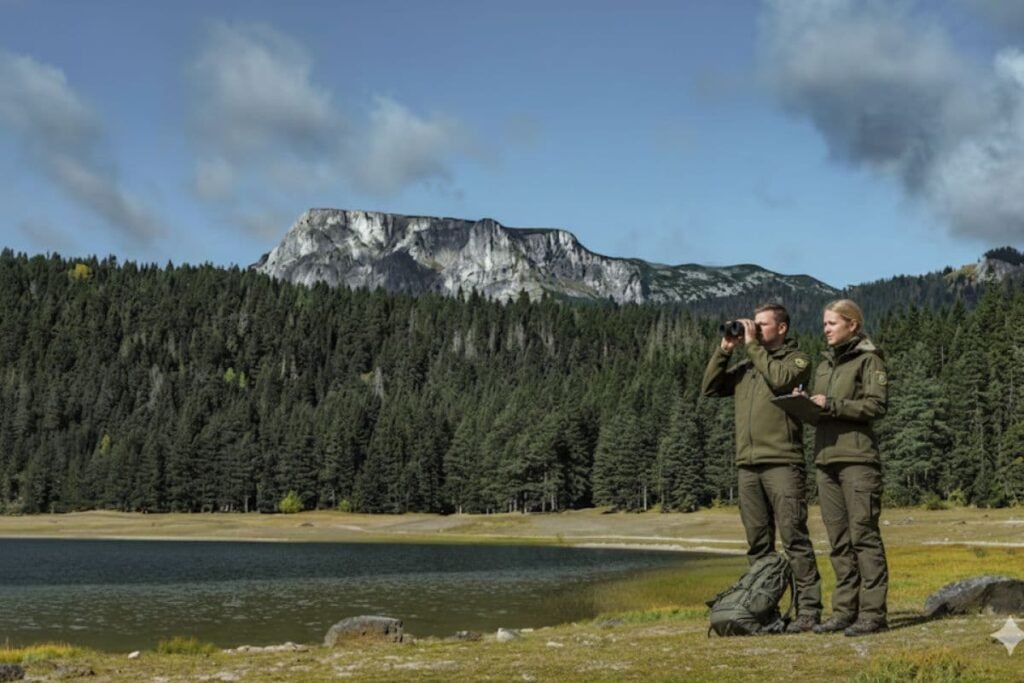
Viltnemnda is a municipal wildlife board in Norway. It is responsible for monitoring populations of moose deer and roe deer. The board ensures that hunting quotas are followed and that ecological balance is maintained.
It also coordinates with hunters’ associations, landowners and environmental agencies to manage human wildlife conflicts. By responding to injured wildlife and accidents the board protects both animals and people.
The role of this local authority managing wildlife is guided by laws such as the Wildlife Act (Viltloven) and the Nature Diversity Act (Naturmangfoldloven). These laws provide the framework for population control conservation and ethical hunting practices.
Additionally Viltnemnda plays a role in educating communities about responsible wildlife interaction and reporting wildlife accidents.
Legal Framework and Responsibilities
The municipal wildlife board operates under Norwegian national legislation. The Wildlife Act governs hunting rules, animal protection and the sustainable use of wildlife. The Nature Diversity Act ensures that the board considers ecosystem health and biodiversity when making decisions.
The board sets hunting quotas, approves herd management plans and ensures hunters follow wildlife laws. It also advises municipalities on environmental protection policies and responds to wildlife accidents.
Viltnemnda also participates in long term planning to anticipate population changes and climate impacts helping to prevent overpopulation or habitat degradation.
Through these responsibilities the board helps maintain ecological stability while supporting human activity such as hunting and agriculture.
Board Composition and Organizational Structure
Members include experienced hunters, biologists, environmental specialists and local community representatives. Each member brings knowledge that helps balance human needs with wildlife conservation.
The board makes decisions collaboratively ensuring that hunting is regulated, fairly injured wildlife is treated quickly and ecological balance is maintained. Cooperation with the municipal nature office and environmental agencies is a key part of its structure.
By combining expertise from different areas this local authority coordinating hunting permits and herd plans ensures that wildlife management decisions are both practical and sustainable. The board also holds regular meetings to review population reports, update management plans and discuss public feedback.
Wildlife Monitoring and Technology
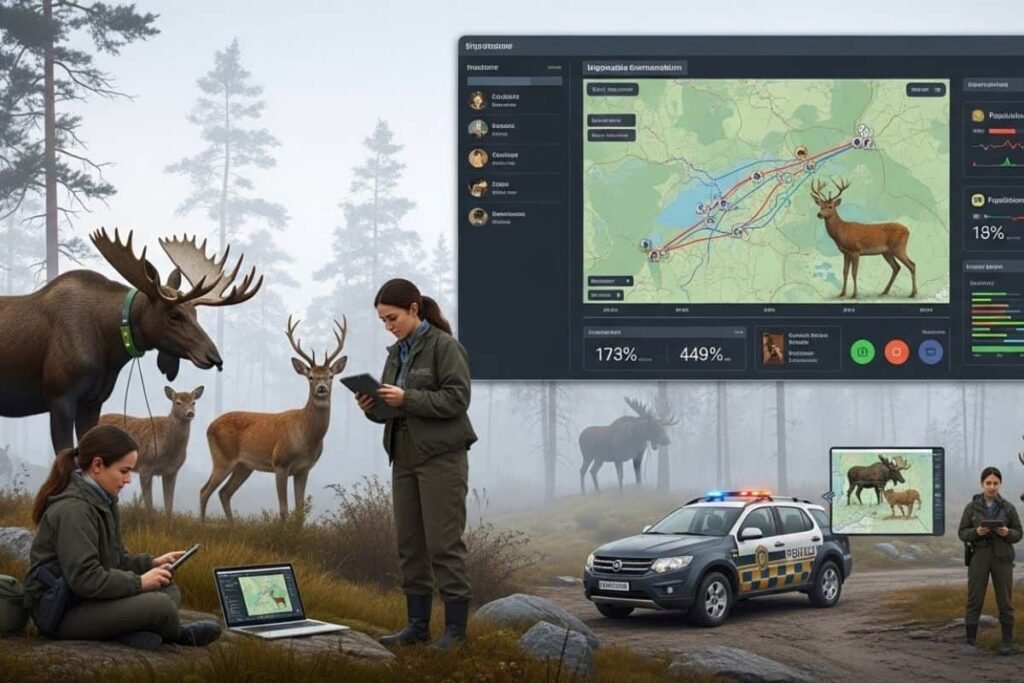
The board uses modern tools to track animal populations. GPS tracking population surveys and digital reporting help monitor moose deer and roe deer. These tools allow for better population control and herd management planning.
The board also uses technology to respond to roadkill and wildlife accidents. Digital reporting ensures that each case is documented and treated appropriately. By using modern monitoring tools decisions are accurate and science based benefiting both wildlife and people.
Viltnemnda also explores predictive modeling to anticipate migration patterns and potential human wildlife conflicts making its management proactive rather than reactive.
Hunting Management and Sustainable Practices
Sustainable hunting is one of the board’s main responsibilities. Hunting quotas are calculated based on population data and ecological needs. Permits and herd plans submitted by hunters’ associations are carefully reviewed.
The board ensures hunting follows ethical and legal standards. Cooperation with landowners and hunters is essential. This coordination prevents overhunting, maintains wildlife populations and reduces human wildlife conflict.
By monitoring population sizes and adjusting quotas the board supports biodiversity while respecting Norway’s hunting traditions. The board also provides guidance to hunters on best practices for conservation and safe hunting to reduce environmental impact.
Human Wildlife Conflict Management
The board works to reduce conflicts between humans and wildlife. Landowners and farmers cooperate to protect crops and property. Municipal authorities are involved to maintain public safety.
Roadkill and wildlife accidents are managed carefully. High risk areas are identified and measures like warning signs and wildlife crossings are implemented. Residents can report injured animals or safety concerns to ensure a fast response.
By balancing human needs and wildlife protection the board minimizes conflicts and maintains ecological balance. They also organize local workshops to educate communities about coexistence strategies including safe wildlife observation and reporting practices.
Conservation and Environmental Protection
The municipal wildlife board helps preserve Norway’s ecosystems. Habitats are monitored, biodiversity is maintained and vulnerable species are protected. Cooperation with environmental agencies and municipal nature offices strengthens conservation efforts.
By considering both human activity and ecological needs the board ensures sustainable wildlife management. Its work supports forests, wetlands and other natural areas maintaining a healthy environment for people and animals.
Public engagement is also important. Citizens are educated about sustainable hunting conservation and safe interactions with wildlife. This builds community trust and encourages responsible behavior.
Viltnemnda also participates in restoration projects for degraded habitats and endangered species programs.
Community Engagement and Public Participation
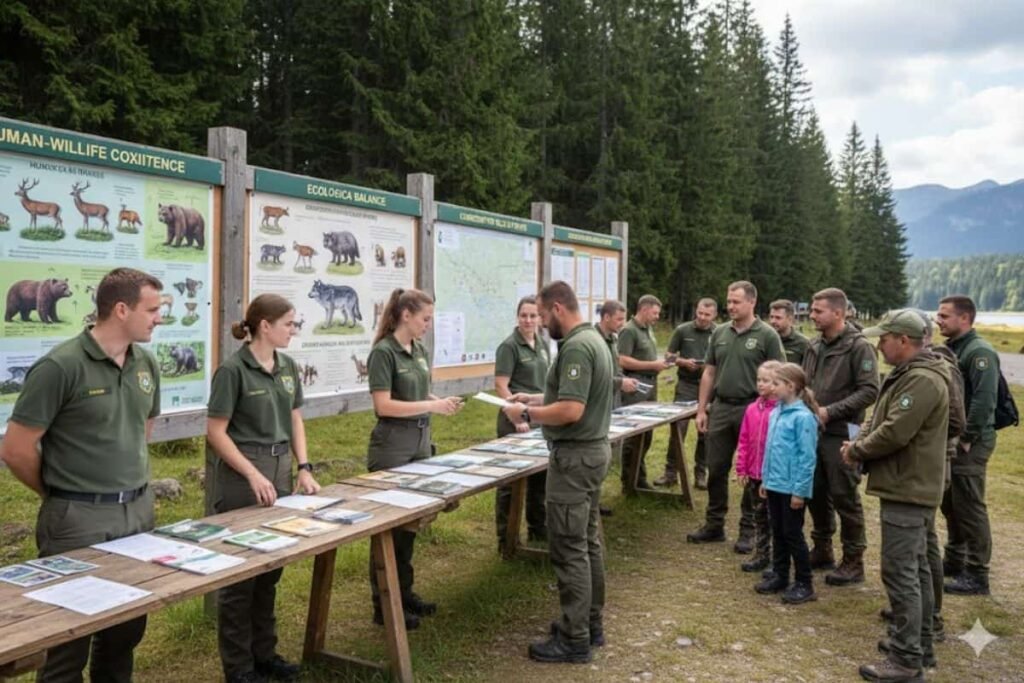
The board maintains close contact with the public. Citizens can obtain hunting permits, report wildlife incidents and get advice on local wildlife. The board educates communities about human wildlife coexistence, ecological balance and responsible hunting practices.
Engaging with hunters and residents ensures management plans are practical and supported by the community. Public participation strengthens wildlife management and encourages responsible behavior.
By building transparency and trust the board creates a cooperative approach to environmental protection and population control. They also use social media and municipal newsletters to keep residents informed about wildlife events, accidents and new conservation initiatives.
Challenges Faced by the Board
The municipal wildlife authority faces challenges that require careful planning. Climate change alters migration patterns and affects food availability. Urban expansion reduces wildlife habitats increasing human wildlife conflicts.
Growing populations of moose deer and roe deer create additional management responsibilities. The board must adapt hunting quotas and herd plans to maintain ecological balance.
Despite these challenges technology and collaboration with hunters communities and agencies help respond effectively. Continuous monitoring and public engagement are key to overcoming difficulties.
The board is also investing in research to understand long term impacts of environmental changes on wildlife behavior.
Conclusion
Viltnemnda plays a vital role in Norway’s wildlife management. It balances hunting conservation and public safety while engaging local communities and using modern tools. The board ensures sustainable hunting reduces conflicts and protects biodiversity.
Understanding the work of this local authority managing wildlife helps citizens hunters and policymakers support conservation responsibly. Its work ensures that humans and nature can coexist safely and sustainably, preserving Norway’s natural heritage for the future.
By continuing to improve technology, use public engagement and sustainable practices Viltnemnda remains a model for effective municipal wildlife management.