
The sudden arrival of a brown DWP envelope already brings tension for UK households but recent news has increased that worry even more. With forty-two Jobcentres set to close this disruption could affect daily routines travel plans and even monthly budgets for millions.
The DWP issues Universal Credit warning as 42 Jobcentres close urging claimants to stay alert because missing appointments due to location confusion could trigger harsh financial sanctions.
The welfare system was already complex and these closures make it harder to manage payments and eligibility. Anyone relying on Universal Credit or moving from legacy benefits must pay close attention to these changes.
Understanding why the closures are happening and how they affect payments is now essential. This article explains everything clearly including upcoming Universal Credit changes in April 2026 and offers practical guidance for claimants.
Understanding the Shake-Up | Why Are 42 Jobcentres Closing?
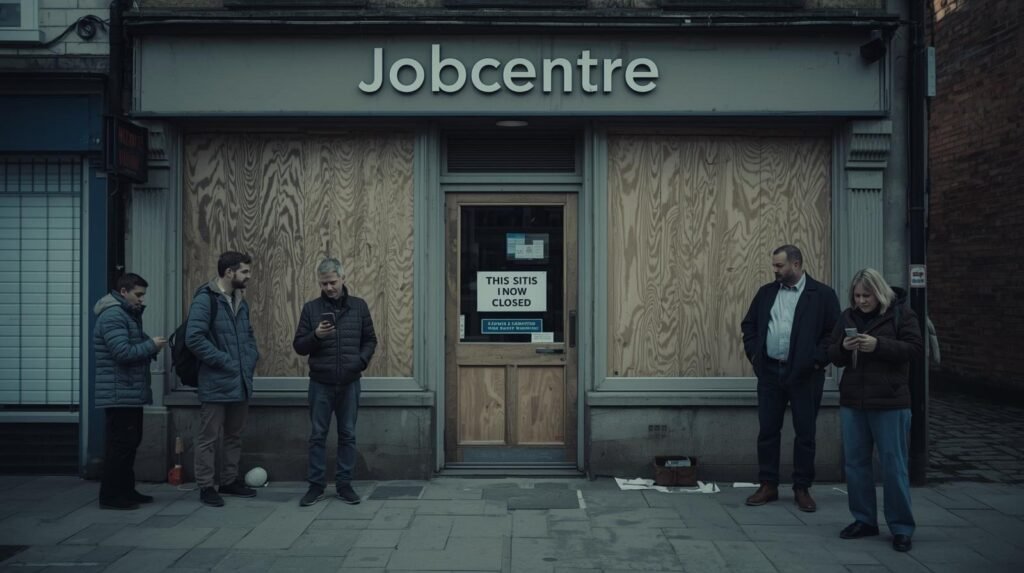
The closure of 42 Jobcentres is directly linked to decisions made during and after the COVID-19 pandemic since many of the affected sites were temporary pop-up offices created to manage social distancing and the surge in Universal Credit claims.
With pandemic pressures easing the DWP now sees these temporary sites as unnecessary and argues that permanent Jobcentres can handle the workload. In theory support should remain the same even after consolidation.
In reality many claimants will face longer travel times higher transport costs and more complicated planning. Someone who once walked to their local office may now need several buses or a long train journey.
This is why the DWP issued a warning urging claimants to confirm their new appointment locations. Missing a meeting because you went to the old site will not be accepted and could lead to sanctions that stop Universal Credit payments.
The Immediate Warning | Attendance and Sanctions
The DWP has made its message clear: Jobcentre appointments remain mandatory even as 42 offices close and their caseloads move to permanent sites.
Claimants will be notified through their Universal Credit journal or by post with updated addresses and schedules. During the transition confusion is likely and some people may still arrive at the closed site or miss online updates.
Because attendance is tracked automatically a missed appointment can trigger sanctions that stop payments for weeks. To avoid this claimants should check their journal daily confirm their new office and plan travel ahead of time.
Keeping digital records of messages or queries can help if sanctions are applied unfairly. These closures also overlap with wider service disruptions making it even more important to stay organized.
The Bigger Picture | Universal Credit Changes in April 2026
The Jobcentre closures are part of a larger trend of structural reform. Many claimants are asking, what are the changes to Universal Credit in April 2026? The answer lies in proposed adjustments to the Limited Capability for Work and Work-Related Activity (LCWRA) element.
Currently, LCWRA provides extra financial support to those deemed too ill or disabled to work. The upcoming changes aim to tighten eligibility criteria and integrate assessments with the Personal Independence Payment (PIP) process.
For existing claimants, transitional protection is expected, meaning payments won’t suddenly drop. However, new claimants entering the system after April 2026 could see significantly reduced payments if they don’t meet stricter criteria.
Advocates warn this may create a two-tier support system, leaving vulnerable claimants at risk of financial hardship. Understanding these changes is essential.
They represent a shift from a system designed primarily around financial support to one focused more heavily on compliance and digital record-keeping.
Claimants with fluctuating health conditions should prepare for the possibility of more stringent assessments and stricter eligibility rules.
Managed Migration | Is DWP Cancelling 4 Benefits?

Managed Migration is another major change affecting claimants. Headlines asking Is DWP canceling 4 benefits? refer to the phase-out of legacy benefits like Working Tax Credit, Child Tax Credit, Income-based Jobseeker’s Allowance (JSA), Income-related Employment and Support Allowance (ESA), Income Support and Housing Benefit.
The DWP plans to transition all legacy benefit claimants to Universal Credit by late 2025 or early 2026. This is not automatic. Claimants will receive a Migration Notice, usually giving three months to apply for Universal Credit.
Ignoring this notice risks total loss of benefits. The transition can be stressful, especially for claimants who relied on in-person support.
Moving to Universal Credit requires understanding online journals, submitting digital documentation and engaging with remote work coaches.
The Universal Credit claimants affected by closures are often those most vulnerable to digital barriers, making proactive support vital.
Why Has My Universal Credit Account Been Closed?
A common concern is, why has my Universal Credit account been closed? Accounts may close automatically for several administrative reasons.
Failure to accept the Claimant Commitment, which outlines obligations such as hours of job searching, can trigger closure. Other causes include missed documentation deadlines, such as proof of rent, childcare costs, or identity verification.
Additionally, if a claimant’s earnings exceed the eligibility threshold for an extended period, the system may automatically close the account. Physical Jobcentre closures can worsen the situation.
Missing a deadline due to a closed office can result in account termination. Claimants must understand the automated processes and deadlines to avoid unnecessary disruption to payments.
Navigating Travel and Cost Implications
For many claimants, travel to a new Jobcentre introduces both logistical and financial challenges. Universal Credit is designed for those on limited incomes, so even a small increase in travel expenses can have a significant impact.
While travel reimbursement schemes exist, they often require upfront payment and proof of travel. Claimants should ask work coaches about hybrid or remote appointments and provide clear explanations of how travel affects their job search.
Highlighting that travel costs reduce time for applications or job search activities can increase the chances of receiving accommodations.
The Future of Welfare | Digital vs. Physical Support
The closures underscore a broader shift toward digitization in welfare services. The DWP increasingly expects interactions to occur online via the Universal Credit journal.
While digital records offer advantages, the lack of human support can create challenges for vulnerable claimants. Looking ahead to the Universal Credit April 2026 changes, the reliance on automated systems will increase.
AI may detect errors or potential fraud and managed migration is entirely automated. Claimants struggling with digital literacy should seek help from organisations like Citizens Advice to navigate Universal Credit eligibility updates effectively.
This shift represents a move from support and supervision to monitoring and compliance. Staying organised, digitally vigilant and proactive is essential for claimants to maintain payments and prevent sanctions.
Real-Life Experiences | Claimants Speak

Many claimants have shared their experiences navigating closures and policy changes. For example, Sarah, a single mother in Manchester, now spends nearly two hours commuting to her new Jobcentre.
She has started recording her travel expenses and keeping a detailed journal of all communications to ensure she avoids penalties.
Meanwhile, James, a claimant with a long-term health condition in Birmingham, struggled to submit his documentation digitally. By contacting a local Citizens Advice office, he learned how to upload documents securely and schedule virtual appointments, preventing delays in his payments.
These real-life examples highlight the importance of preparation, digital literacy and proactive engagement. Claimants who adapt quickly to changes are far less likely to experience disruptions in their Universal Credit payments.
Conclusion
The announcement that the DWP issues Universal Credit warning as 42 Jobcentres close is more than a logistical update. It represents a broader transformation of the welfare system toward digital management and centralized services.
Closures, upcoming Universal Credit April 2026 changes and the Managed Migration process collectively create a complex environment.
Staying informed, monitoring online journals, understanding travel and cost implications and documenting all interactions are critical to maintaining payments.
While claimants cannot prevent offices from closing, proactive engagement ensures that Universal Credit claims remain secure.
By understanding the reasons behind closures and upcoming policy changes, individuals can navigate these challenges with confidence, keeping their financial lifelines intact.
FAQs
What happens if my local Jobcentre is on the closure list?
Your claim moves with you. The DWP will transfer your case to a nearby permanent office and you should receive official notification.
Will my money decrease in April 2026?
Transitional protection applies to current claimants receiving LCWRA payments but new applicants may see reduced support.
Can I refuse to attend a distant Jobcentre?
Refusal may result in sanctions. Requesting a telephone or hybrid appointment is possible, particularly for health or childcare reasons.
Why did I receive a Migration Notice if I’m already on benefits?
Legacy benefits are being phased out. The notice provides a deadline to apply for Universal Credit. Missing it may result in loss of benefits.
Is DWP monitoring bank accounts?
New powers may allow DWP to review savings or identify extended periods abroad. Honest reporting is essential.
What should I do if I miss an appointment due to a closed office?
Document your attempt in your online journal. Indicate availability for the new office or a phone call.
Will my Work Capability status change in 2026?
Current claimants will generally retain their status but new claimants may face stricter criteria.